
Archives
-
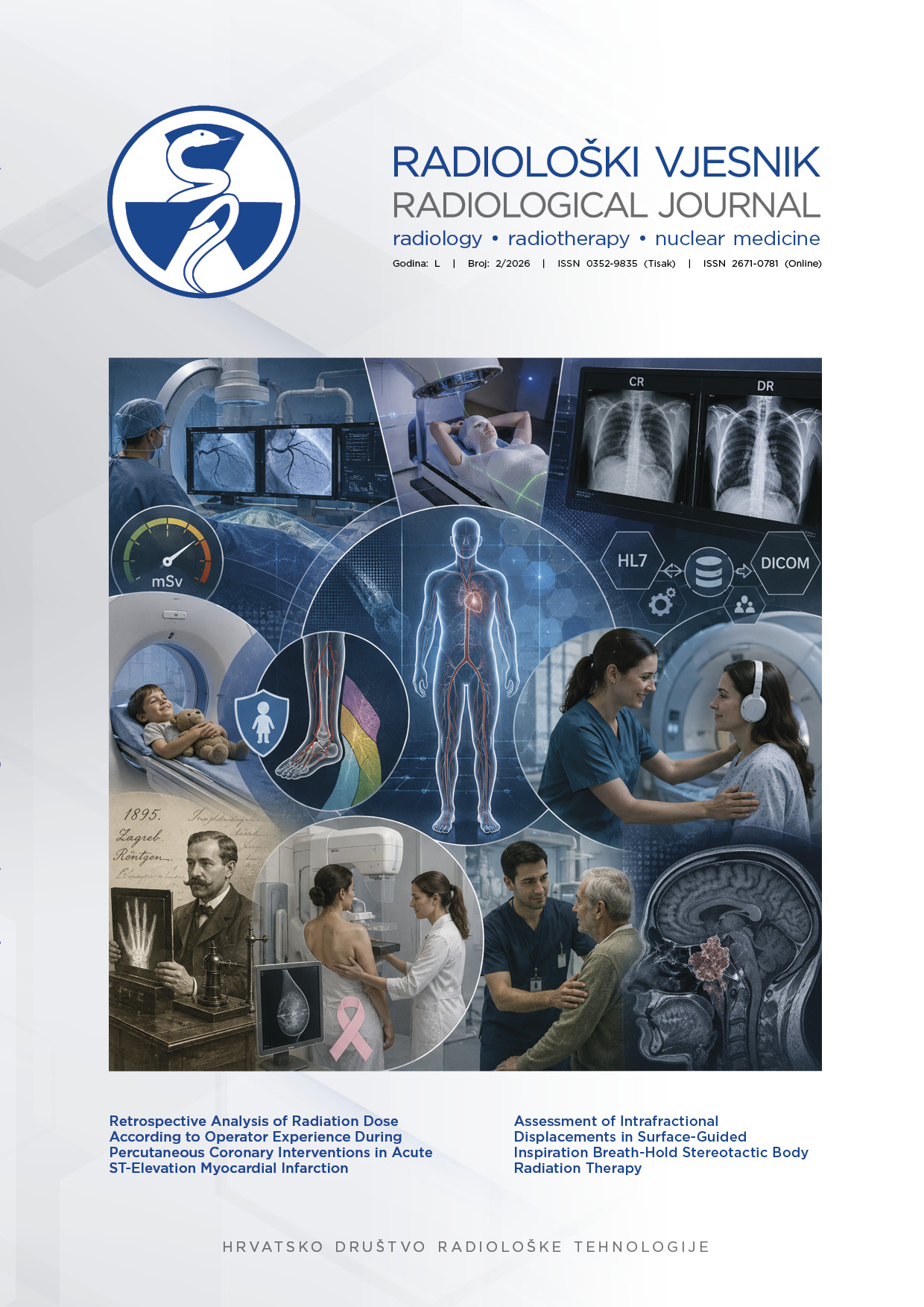
Radiological Journal 2026/2
Vol. 50 No. 2 (2026)The Autumn 2026 issue of the Radiological Journal (Vol. 50 No. 2) marks 130 years since the first X‑ray experiments in Croatia, offering a historical‑analytical overview of the field’s polycentric origins and its path toward international excellence. The issue addresses key challenges of modern practice: operator‑dependent radiation doses in primary PCI for STEMI, intrafractional motion in surface‑guided SBRT with IBH, dose optimisation across CR/DR systems, and paediatric CT protocol refinement. It further explores HL7/DICOM interoperability, CEZIH integration, and angiosome‑based endovascular strategies. Human‑centred care is highlighted through MRI anxiety mitigation, mental‑health‑adapted workflows, and mammographic positioning standards. A major feature is the full program and abstracts of “Radiation Technology Days 2026”.
-
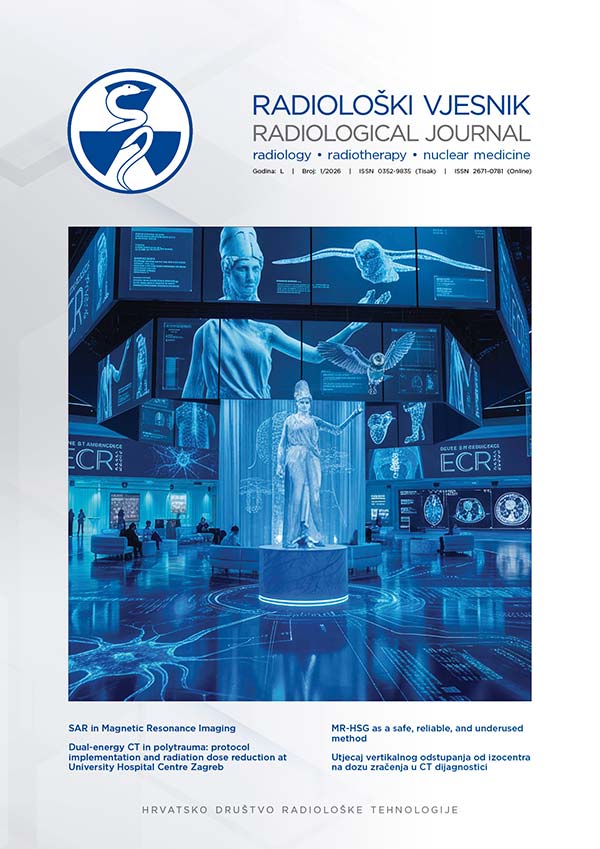
Radiological Journal 2026/1
Vol. 50 No. 1 (2026)Modern radiology is at the forefront of a technological boom reshaping clinical standards and safety. This Spring 2026 issue of the Radiological Journal highlights innovations that optimise diagnostics and enhance patient protection, alongside key MR safety topics focusing on radiologic technologists’ knowledge of SAR. Articles cover the use of dual-energy CT in polytrauma with dose reduction, the impact of precise table positioning on patient dose, and the value of MR-hysterosalpingography as a safe alternative in infertility diagnostics. The synergy of advanced technology, professional expertise, and ethical responsibility—further strengthened by the new Journal platform—underpins our continued development, complemented by reports from major congresses and international exchanges that emphasise the importance of global knowledge sharing.
-
Radiological Journal 2025/2
Vol. 49 No. 2 (2025)Biomedicine and radiological technology are undergoing rapid changes, driven by the exponential growth of information technology and the adoption of new methods such as photon-counting imaging. Key topics remain image quality, the correlation between grayscale and CT values, the impact of scanning parameters, and the use of radiography in other fields. This issue focuses on DICOM-based quantitative analysis, AI applications in image processing, hybrid imaging, ultrasound and sonographer education, as well as the emerging field of FLASH radiotherapy. Readers will find original research, expert articles, workshop summaries, and the full program and papers for the 6th Congress of Radiological Technology in Vodice. Let us be active participants in these changes shaping radiological technology as a cornerstone of biomedical diagnostics.
-
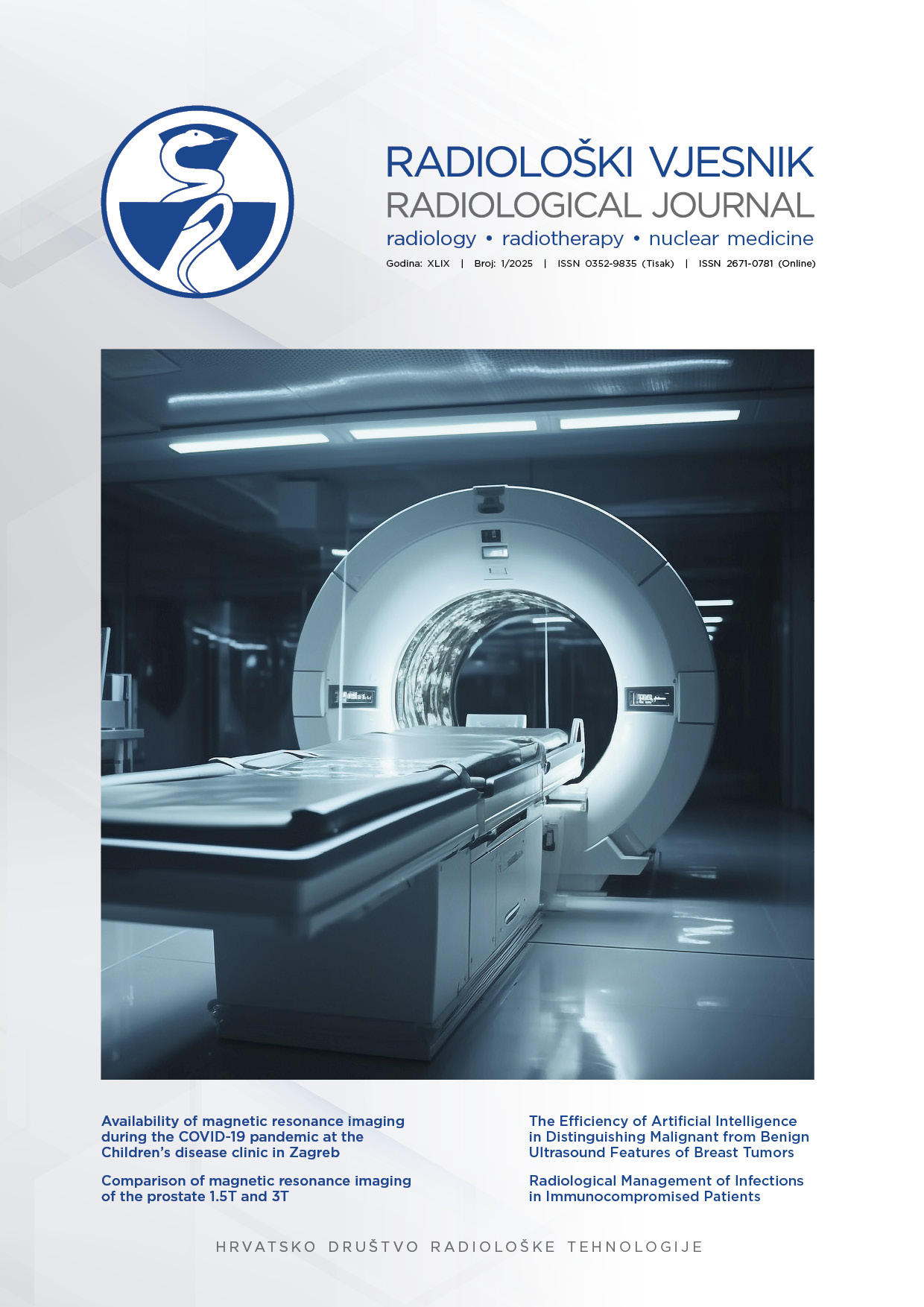
Radiological Journal 2025/1
Vol. 49 No. 1 (2025)The first 2025 issue of Radiology Bulletin highlights the importance of imaging respiratory infections. Although the pandemic is behind us, COVID-19 and influenza remained major concerns in late 2024 and early 2025. This edition features articles on modern diagnostic approaches, AI and deep learning in infection and cancer imaging, and MRI use in oncology and radiotherapy, including pediatric cases. We also announce upcoming events: the OKRT 9 Workshop and the 6th Congress of Radiological Technology.
-
Radiological journal 2024/2
Vol. 48 No. 2 (2024)We are entering a new era of radiological technology, marked by a fully digital environment, new challenges, and cyber threats. Artificial intelligence is no longer a novelty—its benefits, risks, and opportunities are widely discussed. The second issue of the Radiological Journal for 2024 explores these topics, along with advanced imaging techniques in MRI and CT, and oncology patient care. Conventional radiography remains relevant, and we address whether a system for evaluating image quality is needed. This fall brings the Days of Radiation Technology Congress, themed “Exploring Autonomy,” and the 1st Student Symposium of Medical Radiation Technology. In this edition, you’ll find the full program and all abstracts for this professional event. We look forward to meeting and tackling new challenges together!
-
Radiological journal 2024/1
Vol. 48 No. 1 (2024)Radiological technology is rapidly advancing, introducing innovations that expand its role in medicine. In the first issue of the Radiological Journal for 2024, we present a selection of articles based on scientific research, literature reviews, and expert insights. Topics include interventional radiology, coronary analysis, CT innovations, cutting-edge radiotherapy methods, radiation protection, process optimization, and dental radiology. We also highlight upcoming events in radiology, radiotherapy, and nuclear medicine, along with key industry news. Readers are invited to share feedback, essential for improving our publication. We look forward to future collaborations and projects that will enrich our professional community.
-
Radiological Journal 2023/2
Vol. 47 No. 2 (2023)I greet you as guest editor of a journal with 52 years of tradition. This autumn brings key events: the 8th Congress of the Croatian Radiology Society with HDRT Symposium, the 5th Congress of Radiological Technology, and the first Summit of the European Federation of Radiographer Societies. These meetings offer knowledge exchange and networking opportunities. This issue includes articles on research, technological innovations, and clinical practice. The journal is available in print and digital formats. Thank you for your trust—join us and contribute!
-
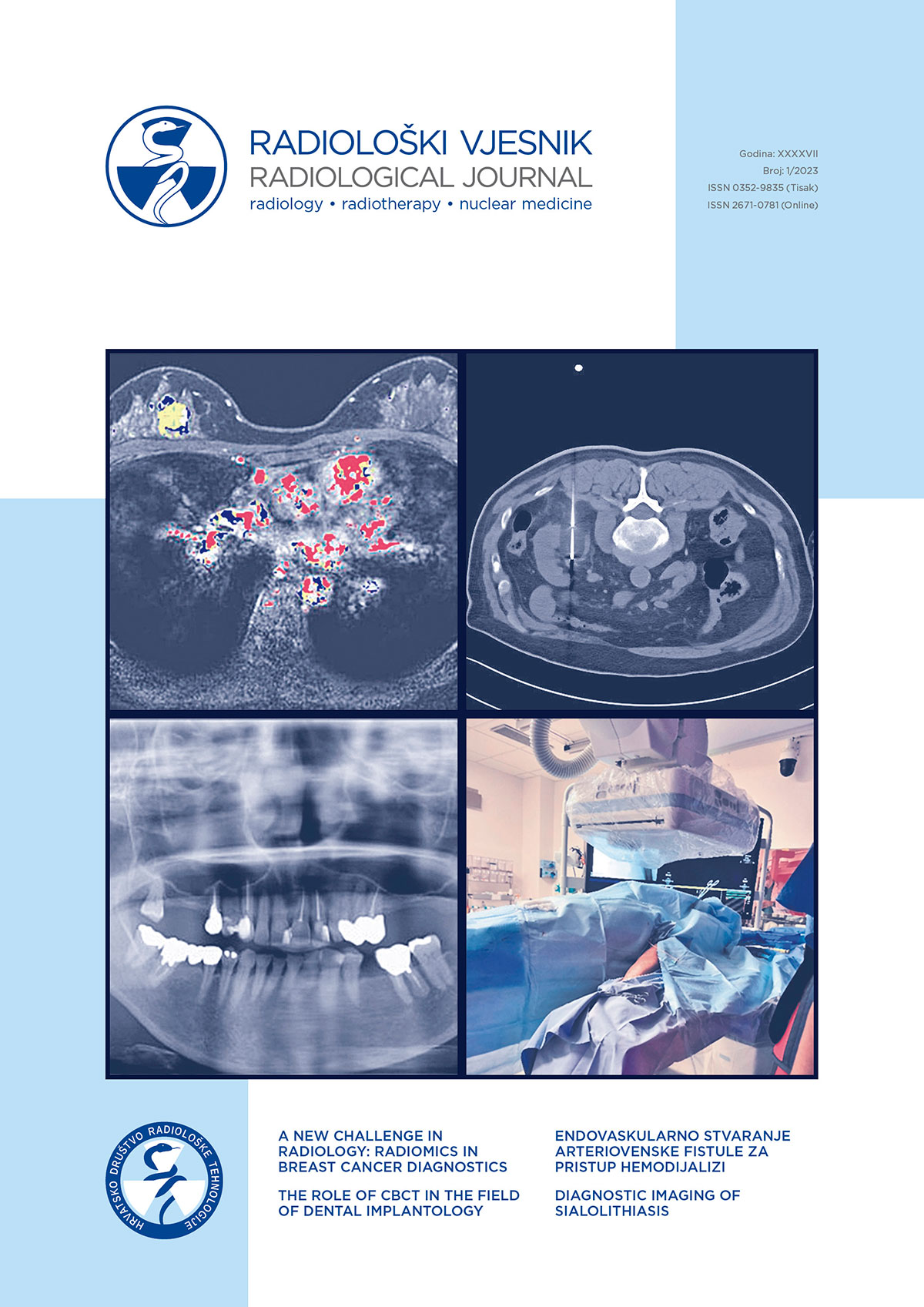
Radiological Journal 2023/1
Vol. 47 No. 1 (2023)In the first 2023 issue of Radiology Bulletin, we present review and professional articles, along with reports on interventional radiology, radiomics, dental radiology, and radiotherapy. You will also find event announcements for this year, as well as updates from the industry and innovations in radiological technology. As always, we look forward to collaboration, your feedback, and future joint projects.
-
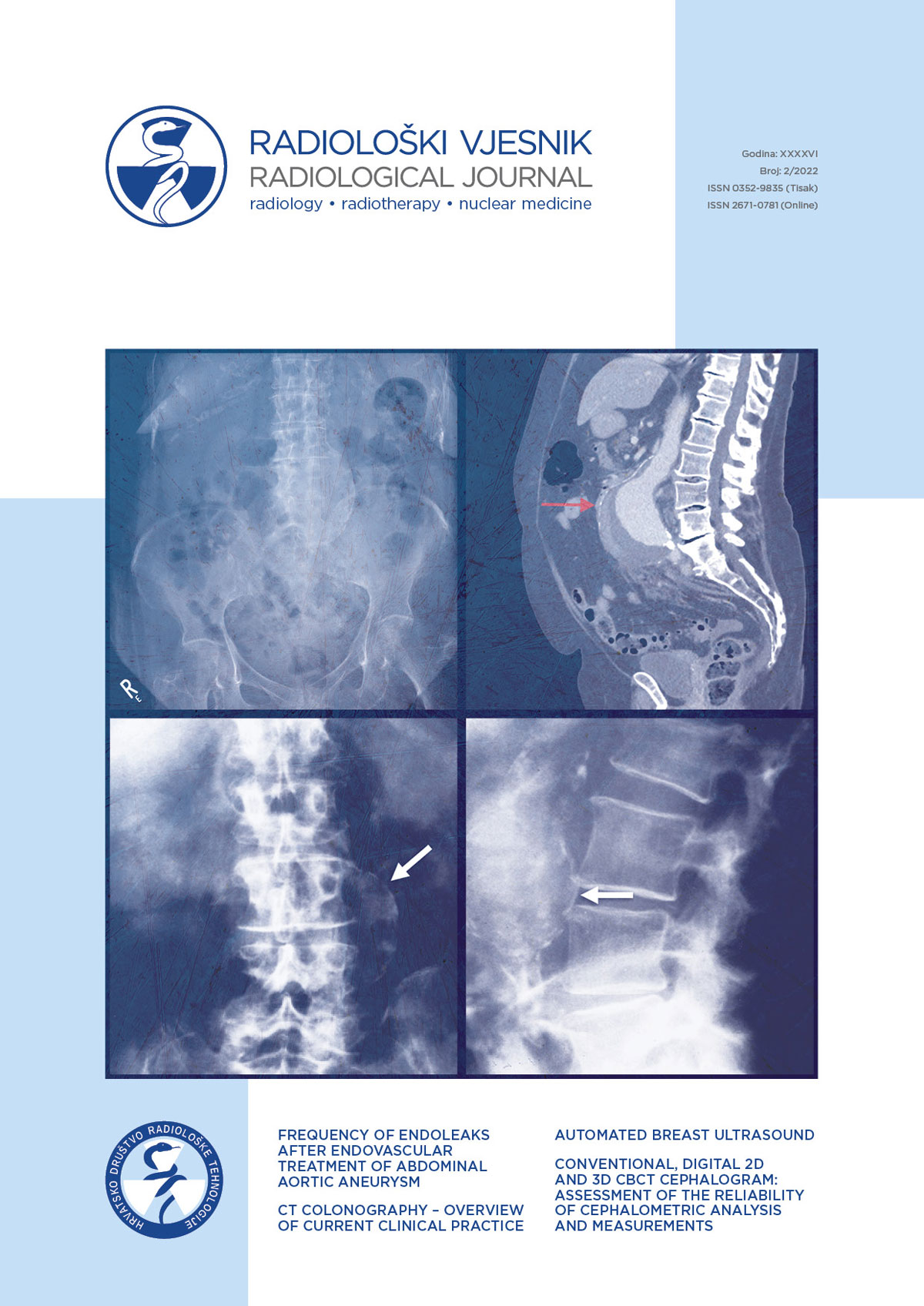
Radiological Journal 2022/2
Vol. 46 No. 2 (2022)The year 2022, though starting under pandemic influence, brought relief in measures and the return of live professional events. After two years, major congresses like ECR, ESTRO, and EANM were held, along with several national and international conferences, and the OKRT 8 Workshop in Donja Stubica. These activities mark a revival of professional engagement after a period of stagnation. We believe this issue of Radiology Bulletin will continue to deliver relevant and high-quality content.
-
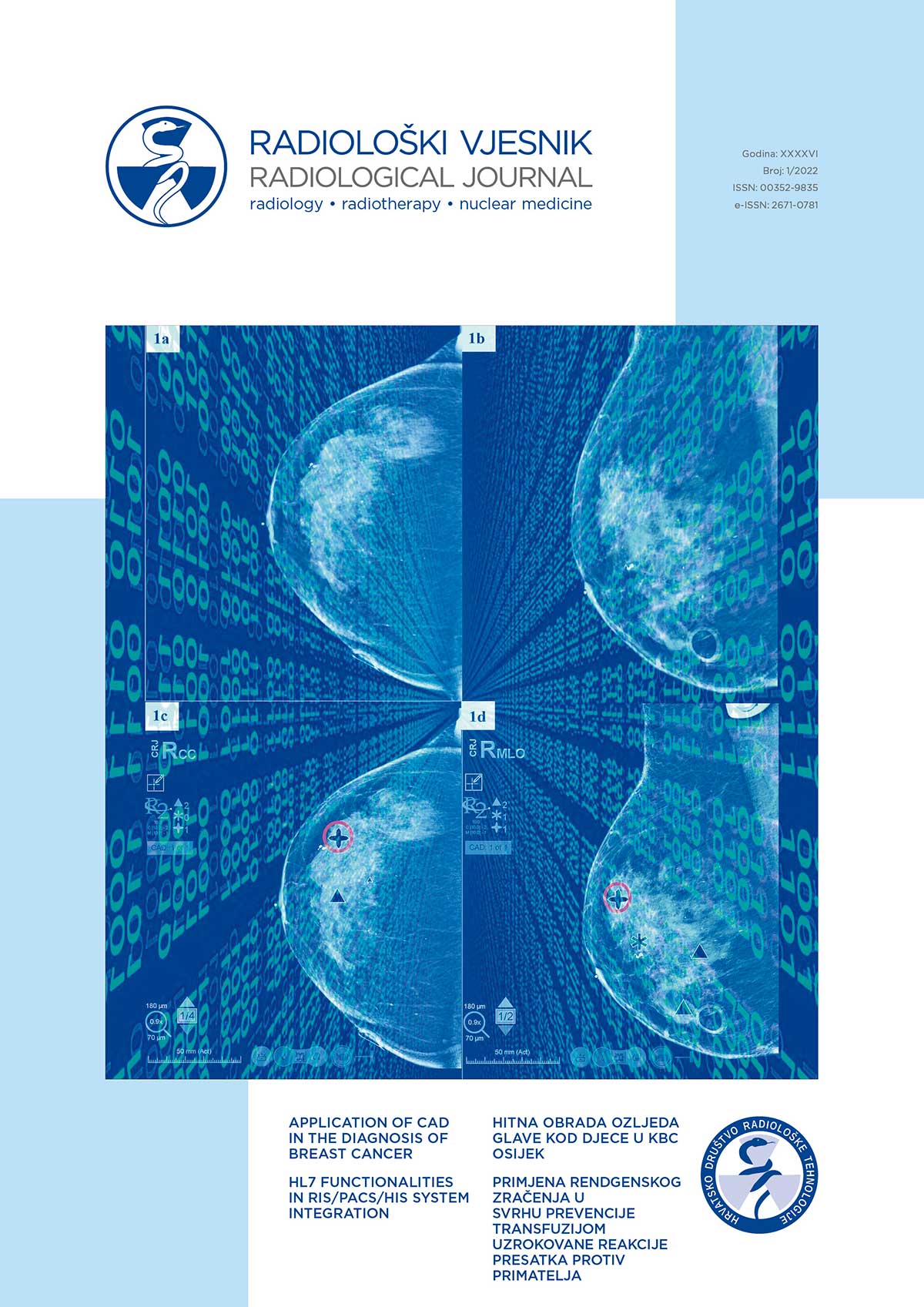
Radiological Journal 2022/1
Vol. 46 No. 1 (2022)The Radiological Journal dates back to 1971 and re-emerged in 2000. Since November 2020, it has had a permanent Editorial and Scientific Board, with articles increasingly following scientific standards and published in English. In the past two years, RV was added to Hrčak and indexed in EBSCO. From this issue onward, all papers will receive a Crossref DOI, ensuring permanent links, improved visibility, citation, and accessibility. This marks another step forward in sharing knowledge and advancements in radiological technology.
-
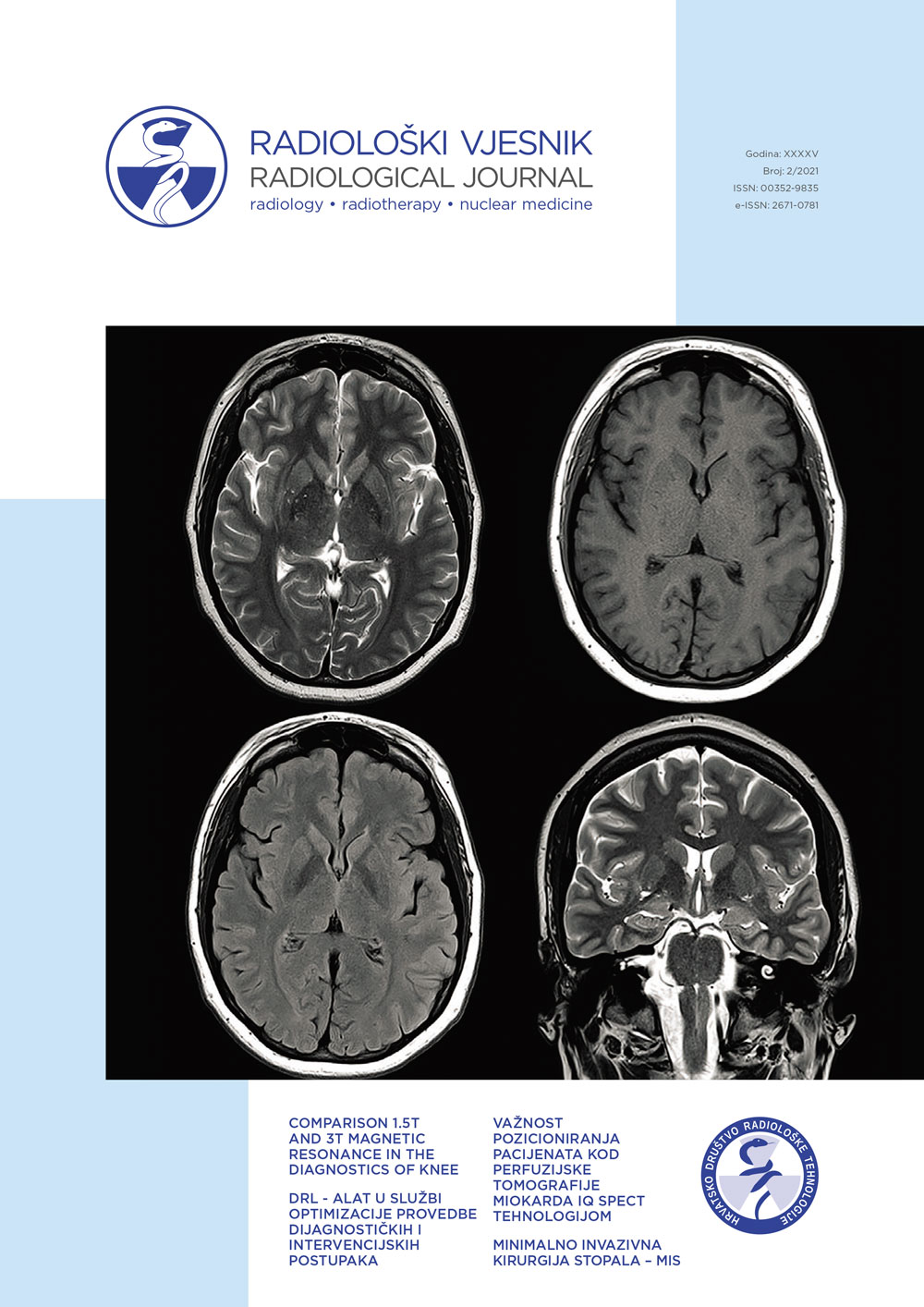
Radiological Journal 2021/2
Vol. 45 No. 2 (2021)Two years of pandemic-related challenges reduced research output, but thanks to dedicated authors, this issue offers valuable professional and informative content. We report on the successful 4th Radiology Technology Congress and celebrate the 50th anniversary of the Croatian Society of Radiological Technology, coinciding with 50 years of clinical CT use. A brief retrospective and examples of unwavering motivation during difficult times aim to inspire continued professional growth and advancement in everyday radiology practice.
-
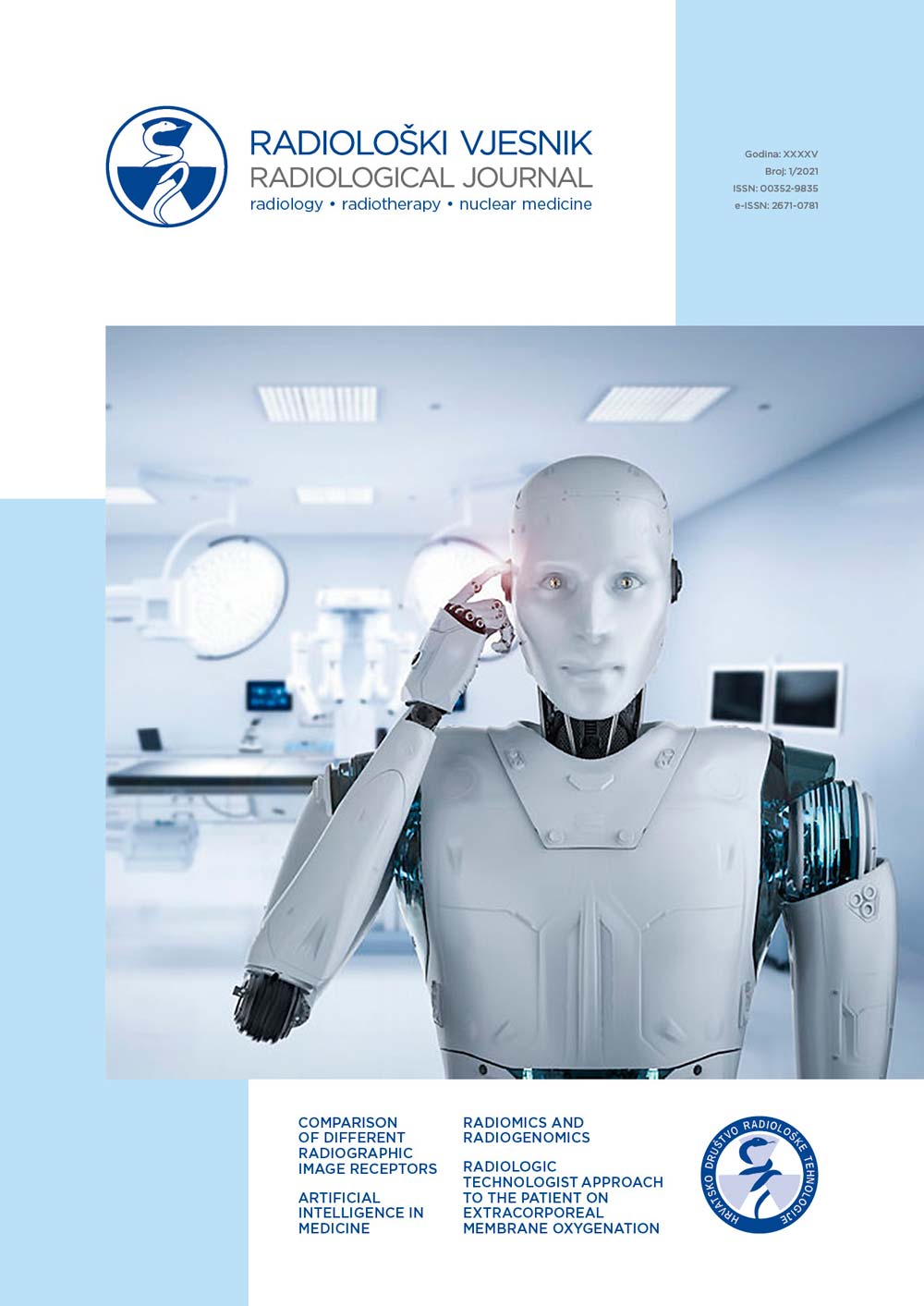
Radiological Journal 2021/1
Vol. 45 No. 1 (2021)The Croatian Society of Radiological Technology is the successor of the Croatian X-ray Technicians Association, founded in 1971 to promote and advance the profession. A journal was launched early on to publish professional topics, reports, and news, serving as a key source of knowledge when textbooks in Croatian were unavailable. Over time, it evolved in format and name, and today it is the Radiological Journal—a modern, indexed publication featuring scientific and professional articles in Croatian and English, available in print and electronic editions to all readers.
-
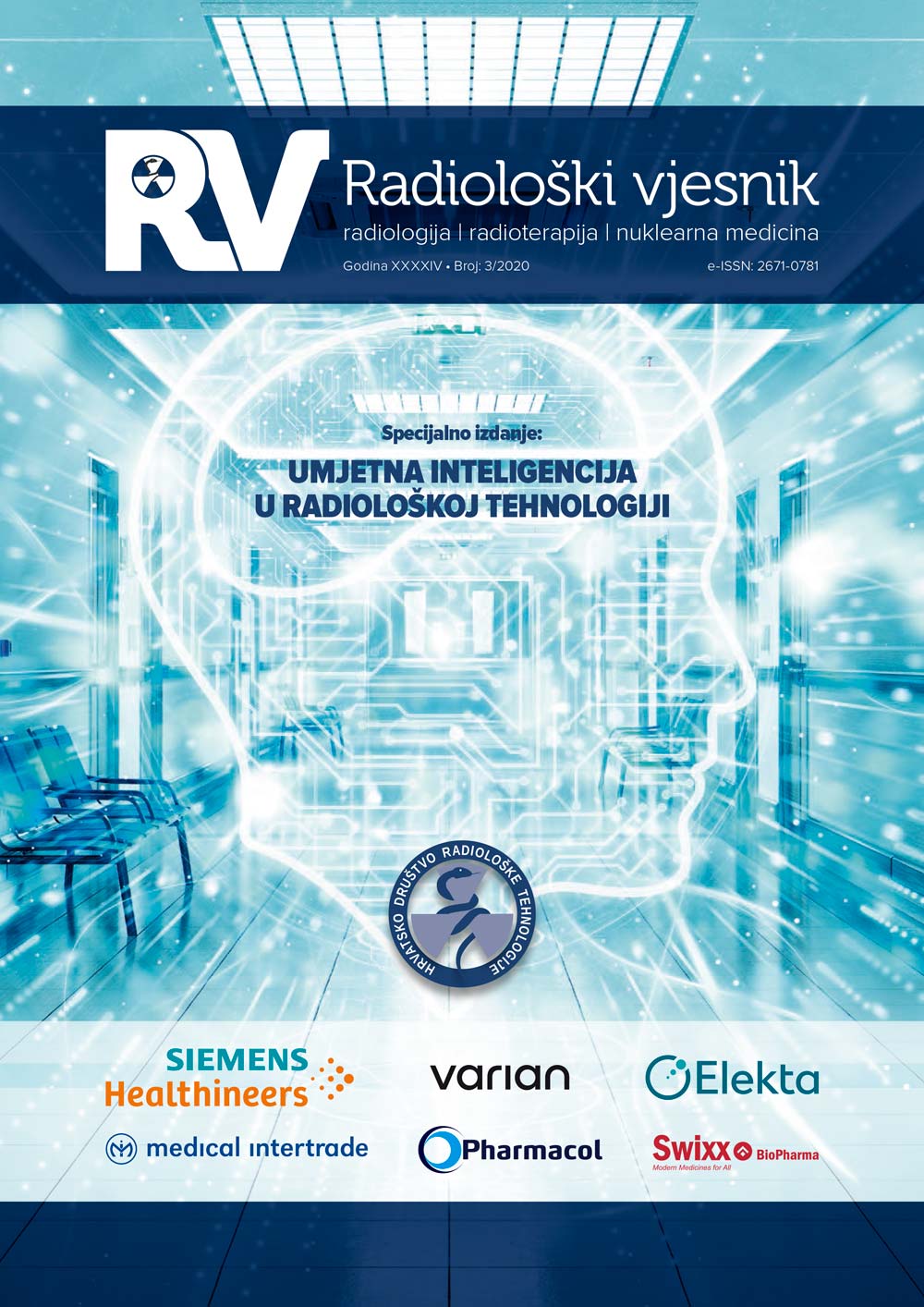
Radiological Journal 2020/3
Vol. 44 No. 3 (2020)Welcome to this special issue of the Radiological Journal. Although the pandemic postponed our meetings, the journal remains accessible. We are open to contributions in English, and this edition includes the first such texts. The main theme is artificial intelligence—a technology already transforming medicine and radiology, driving the shift toward more objective, measurable science. Clinical implementation of AI systems will soon expand significantly. Enjoy the content, gain new insights, and share your feedback and ideas for future editions.
-
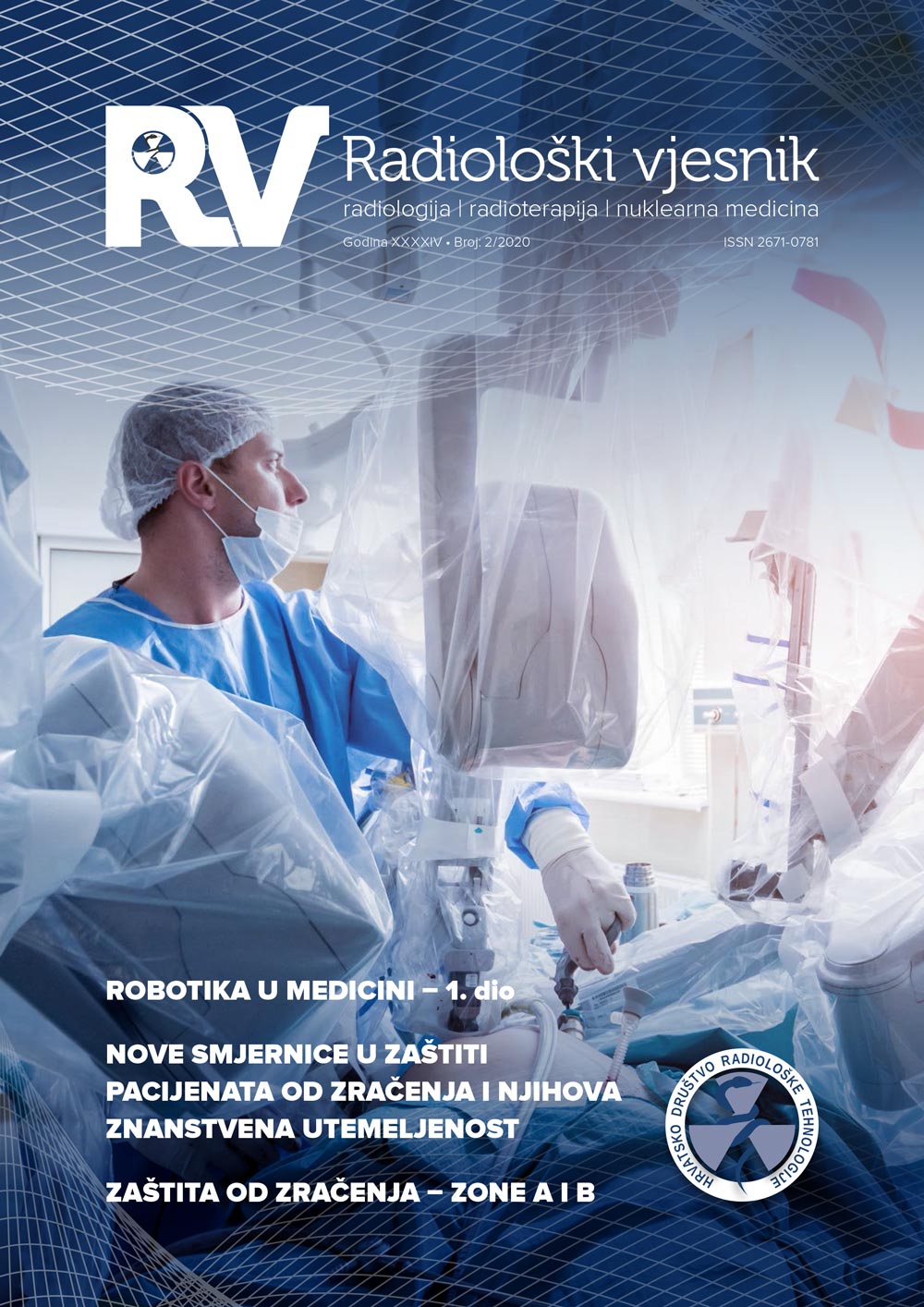
Radiological Journal 2020/2
Vol. 44 No. 2 (2020)The new issue of the Radiological Journal allows full English articles, while others must include a structured abstract (as outlined in RV 2020/1). HDRT planned the Radiology Technology Days 2020 (Oct 2–4, Poreč), but due to Covid-19, the symposium is postponed. In the absence of events, we are preparing a printed RV edition with scientific papers and launching a webinar page for lifelong learning. The next printed issue is scheduled for October/November 2020 and will be distributed to all workplaces and published on the Society’s website.
-
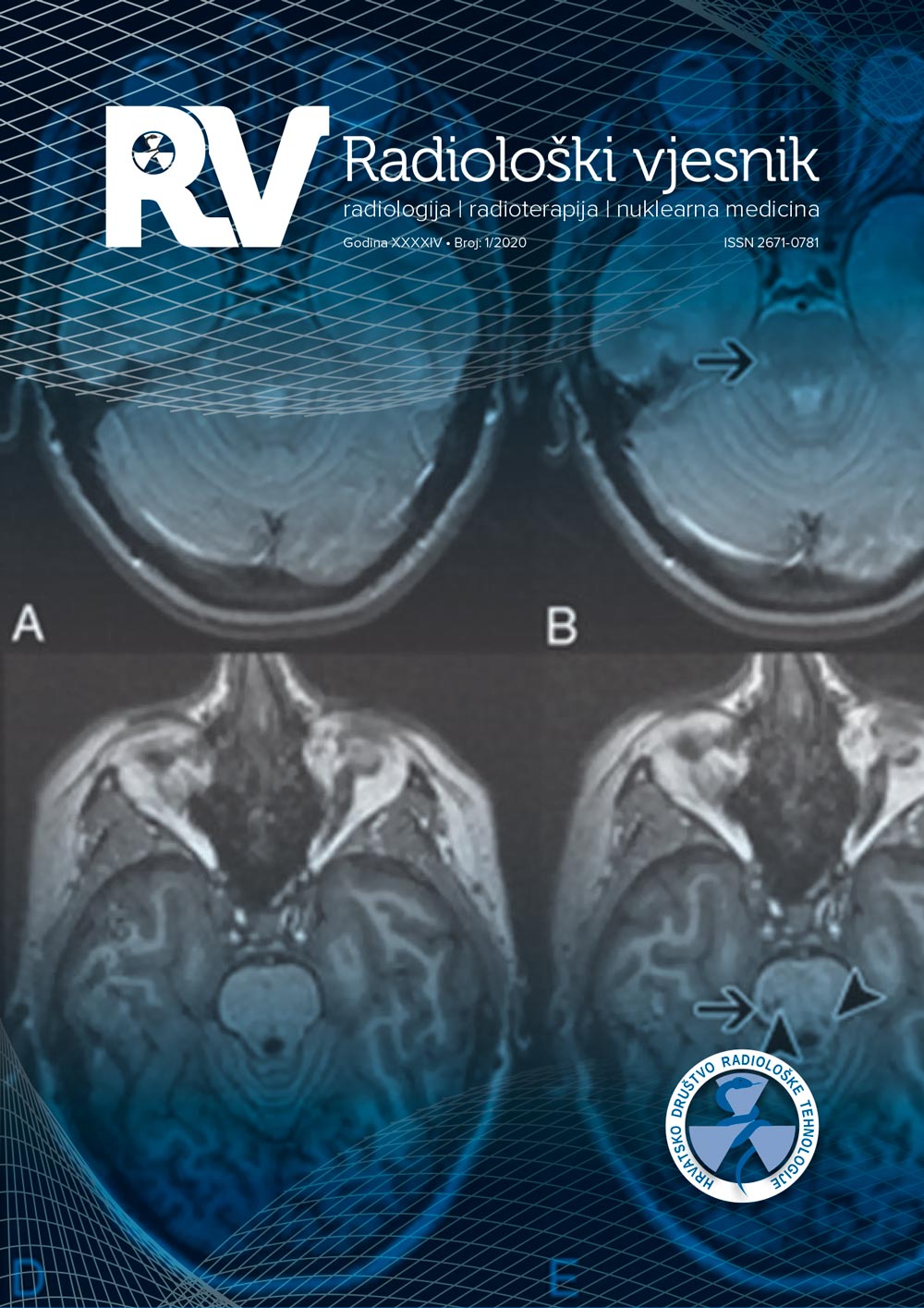
Radiological Journal 2020/1
Vol. 44 No. 1 (2020)The first issue of the Radiological Journal for 2020 is here. Moving to electronic publishing has made RV accessible to all via the web. The Board has introduced a mandatory “Structured Abstract” in English to improve article quality and visibility. Our recent issues increasingly resemble international publications—while we often work with older technology, we do so with remarkable creativity. This edition explains how to write a structured article or poster and invites you to contribute content that advances our profession.
-
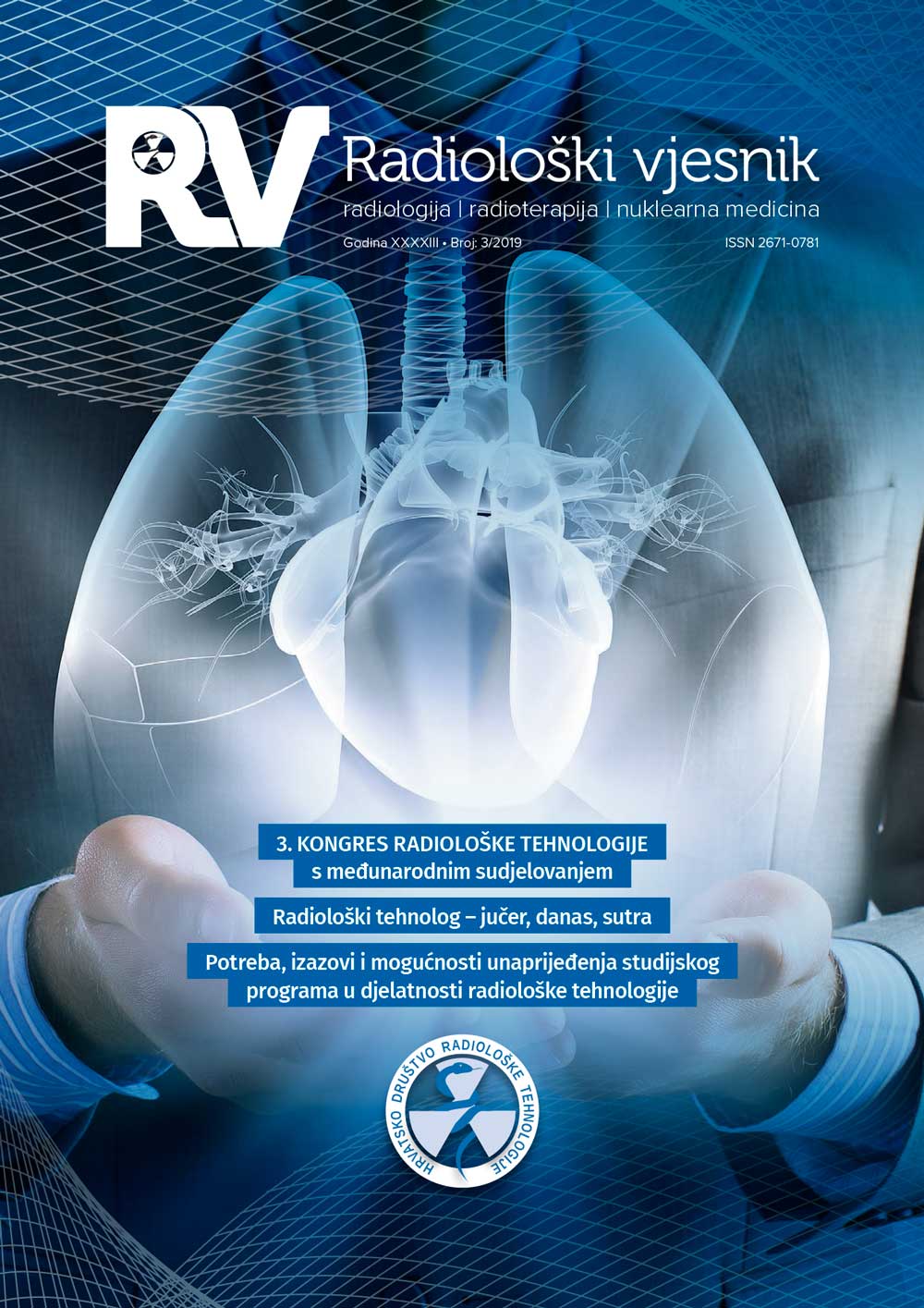
Radiological Journal 2019/3
Vol. 43 No. 3 (2019)This special edition of the Congress Radiological Journal marks the 3rd Radiology Technology Congress and ten years since radiological technology became a recognized profession. We highlight the 2009 Health Professions Act, the establishment of HKZR in 2010, and the renaming of the society to HDRT. Inside, you’ll find articles on the profession’s history, the Chamber, education, union activities, and radiology technology beyond healthcare. We proudly feature expert contributions aligned with the Congress and thank our long-standing partners and industry representatives for their support and materials for this issue.
-
Radiological Journal 2019/2
Vol. 43 No. 2 (2019)The second issue of the Radiological Journal for 2019 is here. While the number of articles is modest, it offers new insights and updates on upcoming professional events. The 3rd Radiology Technology Congress is approaching, where HDRT will be presented and a special Congress edition of RV will be published for participants and students. Check the Author Guidelines section for tips on writing articles—it saves preparation time. We invite you to submit your papers, posters, and seminar work from lectures so we can share them with colleagues.
-
Radiological Journal 2019/1
Vol. 43 No. 1 (2019)This issue of RV includes professional articles and announcements for events: the 6th OKRT Workshop in Karanac, the 12th HDZZ Symposium in Varaždin, ESTRO 38 in Milan, and the 3rd Radiology Technology Congress in Primošten. We plan six issues this year, inviting lecturers and students to publish papers. RV will feature a “scientific supplement” for research articles. The editorial team is launching “yellow pages” to address social rights and obligations. The next issue is scheduled for May—send us articles, posters, and reviews, and involve colleagues from other fields to help improve the quality of our work.
-
Radiological Journal 2018/3
Vol. 42 No. 3 (2018)We have published the third issue of the Radiological Journal in 2018, though four were planned. Next year, we aim for six issues—with your support! This edition includes continued articles, new topics in radiological technology, and an announcement of the January 2019 Symposium. A major update is the adoption of a new Statute and renaming to the Croatian Society of Radiological Technology, expanding membership options and introducing honorary status. We invite you to submit articles, posters, and event reviews and engage colleagues from other fields to help raise the quality of our work.
-
Radiological Journal 2018/2
Vol. 42 No. 2 (2018)Here is the second issue of the Radiological Journal. Although there are few articles, we hope you will soon share your work. We introduce the Student Corner—a space for publishing papers by future colleagues with mentor approval. Educational and scientific articles will be permanently available on the HDIMR website. Check the Journal section for Author Guidelines to simplify preparation and meet legal and scientific standards. We also invite you to submit posters you have previously presented so we can share them with the community.
-
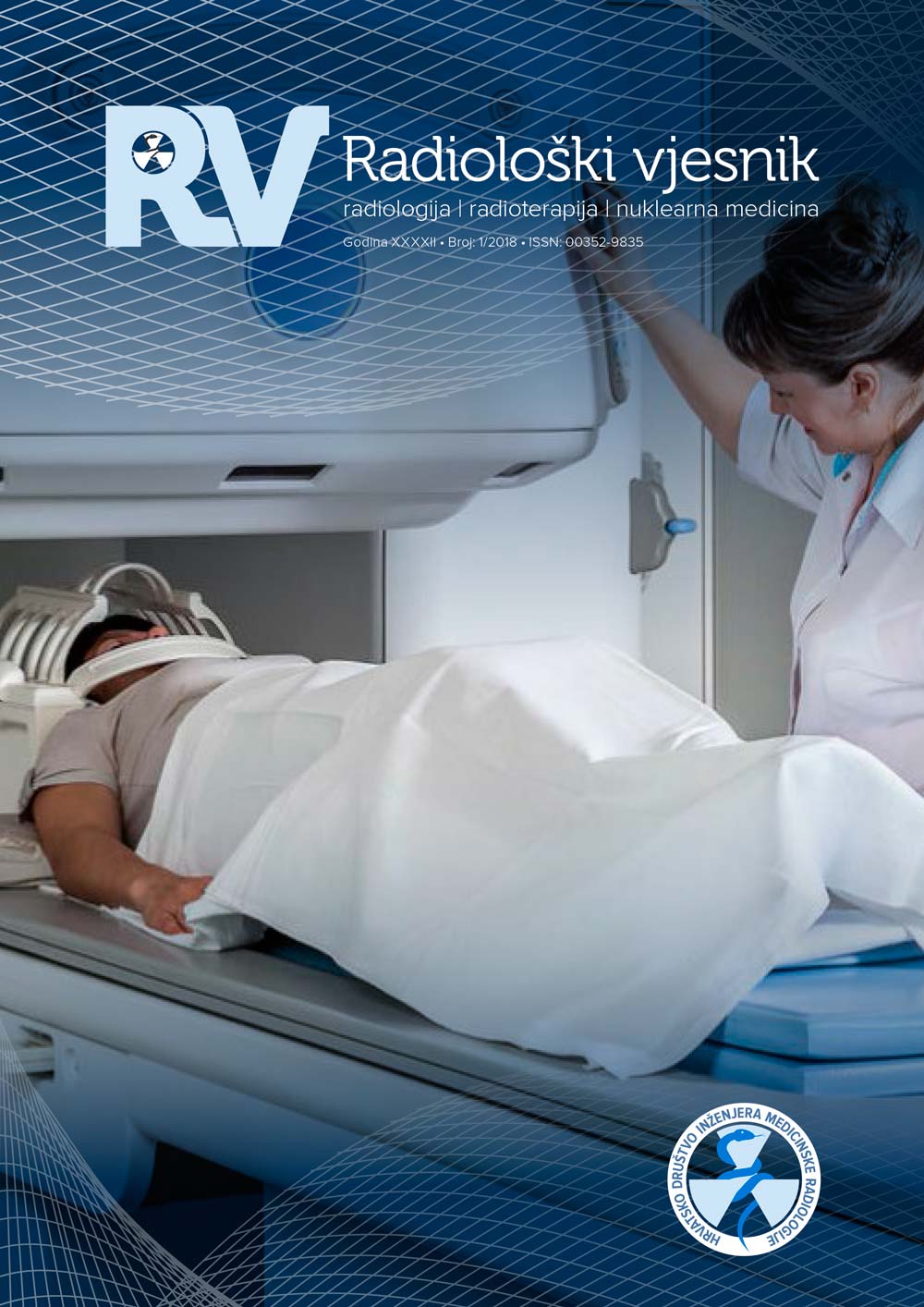
Radiological Journal 2018/1
Vol. 42 No. 1 (2018)Here is the first electronic issue of the Radiological Journal, continuing the tradition of a publication that ceased in 2010. Our goal is to restore its significance with a modern format, covering topics from medicine, IT, electronics, radiobiology, pharmacy, law, and ethics. HDIMR plans at least three issues annually and invites collaboration to ensure high-quality content. The e-journal will feature updates in radiological technology, educational articles, and information on changes affecting the profession. The Croatian Chamber of Health Workers supports creating educational content and awards credits to authors and active contributors.
-
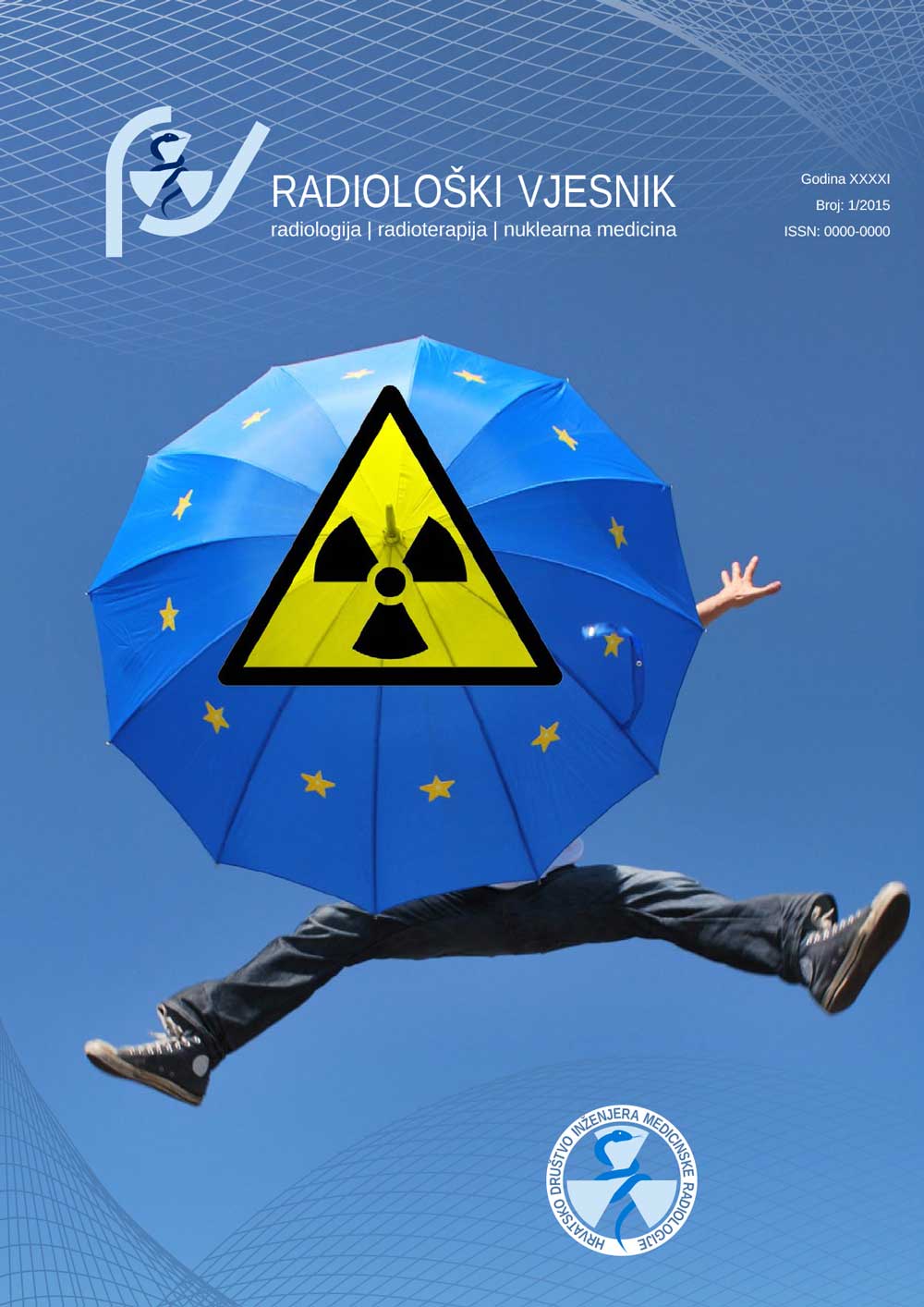
Radiological Journal 2015/1
Vol. 41 No. 1 (2015)Here is the pilot issue of the Radiological Journal in electronic form, continuing the tradition of a publication dating back to the 1960s. HDIMR aims for four editions annually, with active collaboration from colleagues. Radiological technology is multidisciplinary—medicine, IT, electrophysics, radiobiology, pharmacy, law, and ethics—with the ultimate goal of optimal patient care. The e-journal will provide updates on radiology, interventional procedures, radiotherapy, nuclear medicine, dosimetry, and quality control, along with e-learning elements aligned with HKZR standards. We thank our partners for their support. This pilot issue sets the course for a modern, educational, and engaging journal.
-
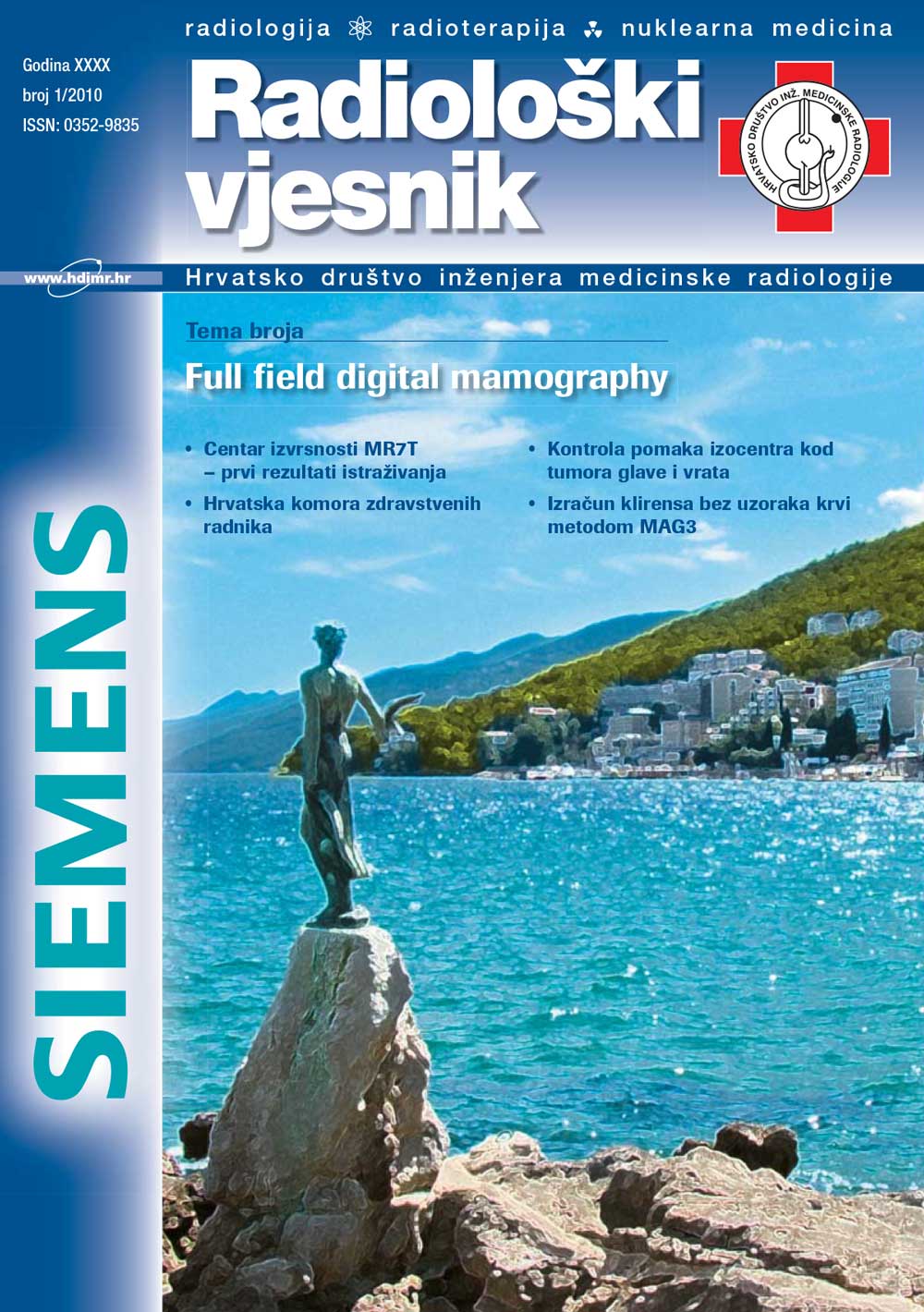
Radiological Journal 2010/1
Vol. 40 No. 1 (2010)After four successful issues last year, we continue with two editions annually. The Radiological Journal remains the only regional publication dedicated to radiology, radiotherapy, and nuclear medicine. During the 5th Croatian Radiology Congress, the 2nd HDIMR Symposium and the General Assembly will be held on October 14, 2010. This issue’s main topic: full-field digital mammography and its advantages. We also present first results from Vienna’s MR 7T research center: testing a 28-channel coil, sodium imaging for cartilage assessment, development of CEST technique, phosphorus-31 spectroscopy, and SWI imaging for multiple sclerosis plaque evaluation.
-
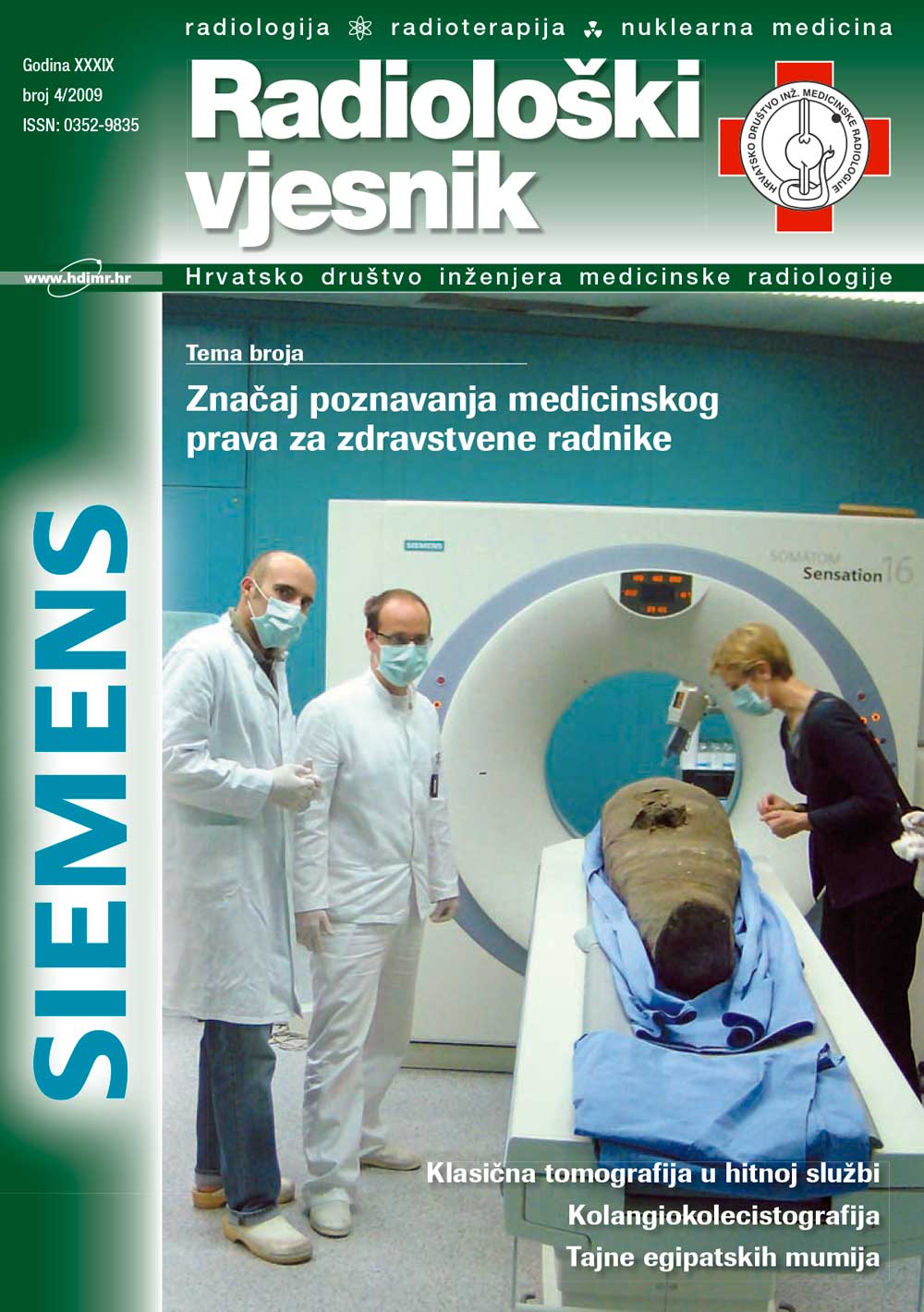
Radiological Journal 2009/4
Vol. 39 No. 4 (2009)Ignorantia iuris nocet—ignorance of the law harms everyone, including healthcare professionals. Continuous education in medical law is essential to understand rights and obligations. This issue’s main topic: the importance of legal knowledge in healthcare. We also feature CT scans of an Egyptian mummy from the Archaeological Museum, analyzed at KB Dubrava using Siemens multislice CT. Learn about radiology’s role in paleoradiology, pros and cons of cholangiography, and the relevance of classic tomography. Introducing a new section, “Unknown About the Known,” plus reports from workshops in Zagreb and Požega. Our updated website www.hdimr.hr now includes a professional forum and real-time content updates.
-
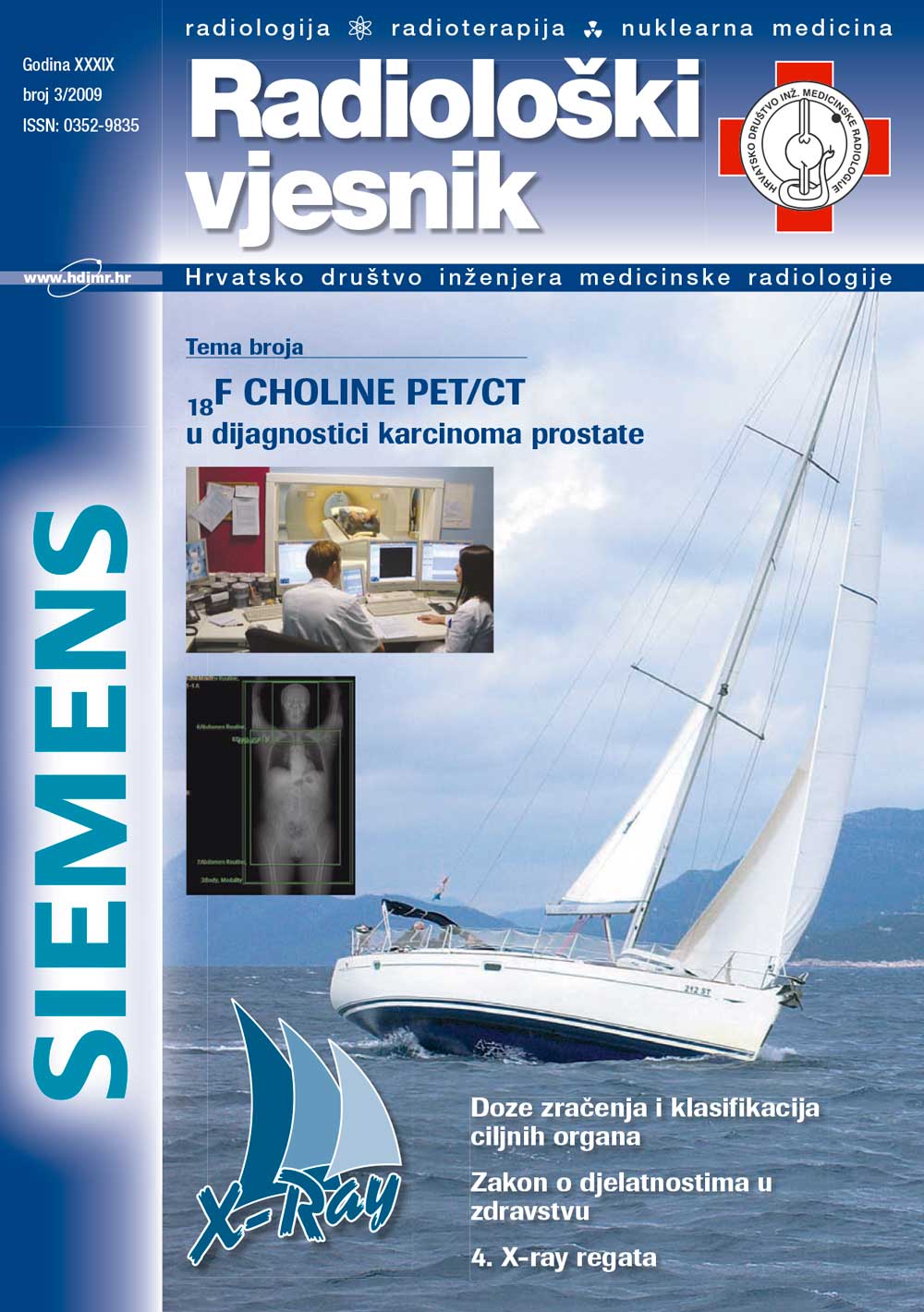
Radiological Journal 2009/3
Vol. 39 No. 3 (2009)Prostate cancer affects about 7% of men over 50, with risk factors including age, genetics, race, diet, and lifestyle. It is most common in Black men, least in Asian populations, and highest among Scandinavians in Europe. Nearly 90% remain clinically silent. This issue’s main topic: the role of 18F choline PET/CT in prostate cancer diagnostics. We also cover radiation doses, organ classification, and the engineer’s role in dose reduction. Plus, a look at the new Radiotherapy Unit at KBC Zagreb, equipped with a Siemens Sensation Open CT simulator, PRIMUS PLUS linear accelerator, and the Lantis system for planning and monitoring therapy.
 CART